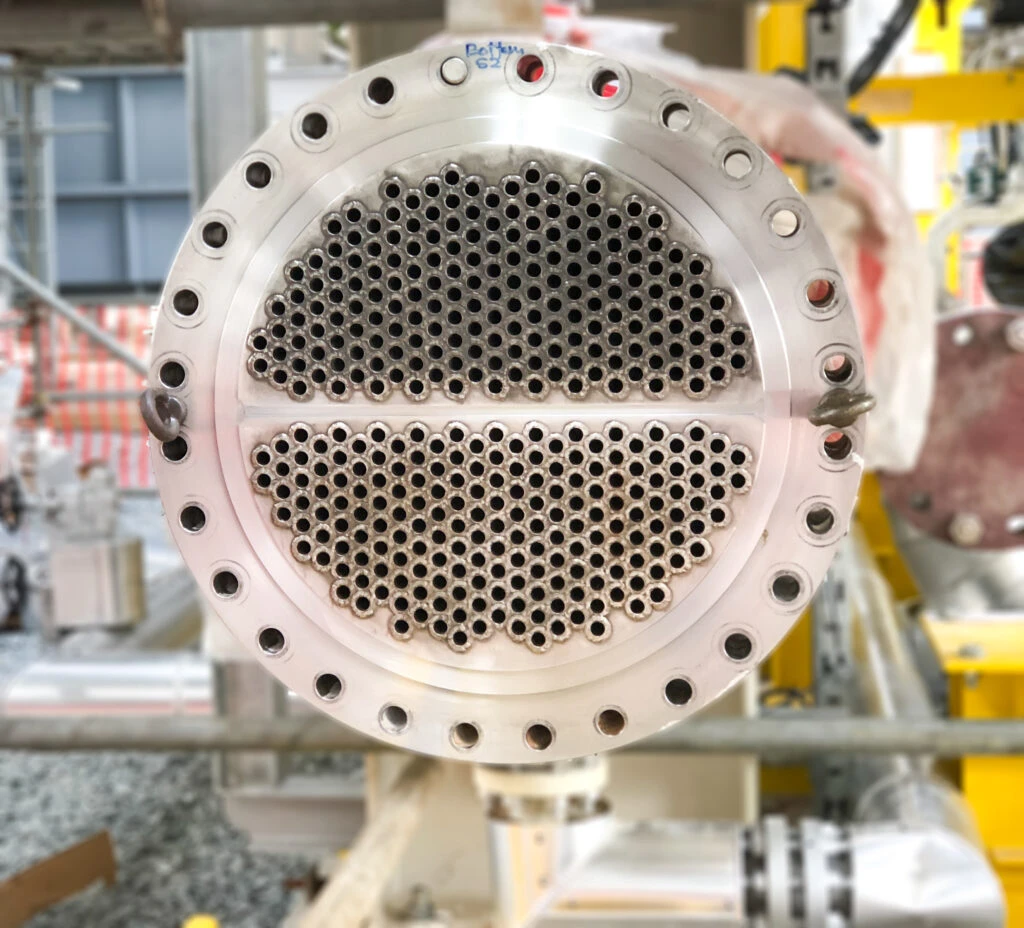
In the realm of industrial manufacturing, efficiency, precision, and reliability are paramount. One of the cornerstones of modern engineering is the heat exchanger—a device that facilitates the transfer of heat between two fluids while keeping them separate. At the heart of creating efficient and robust heat exchangers lies a crucial technology: heat exchanger welding machines. In this blog post, we’ll delve into the fascinating world of these machines, exploring their significance, types, and the impact they have on various industries.
Understanding the Importance of Heat Exchanger Welding Machines
Heat exchangers play a pivotal role in various sectors, including HVAC (Heating, Ventilation, and Air Conditioning), chemical processing, power generation, and more. They are responsible for maintaining optimal temperatures, enabling chemical reactions, and ensuring the smooth operation of complex systems. Heat exchanger welding machines are the backbone of the fabrication process, ensuring that heat exchangers are constructed with the utmost precision and durability.
Types of Heat Exchanger Welding Machines
TIG Welding Machines (Gas Tungsten Arc Welding):** TIG welding is known for its accuracy and clean welds. TIG welding machines are commonly used in heat exchanger fabrication, particularly for materials that require intricate and precise welds, such as stainless steel. The controlled heat input and filler material result in strong, aesthetically pleasing welds.
MIG Welding Machines (Gas Metal Arc Welding):** MIG welding is recognized for its speed and versatility. MIG welding machines are often employed for large-scale heat exchanger manufacturing where speed is essential. While MIG welding may not be as intricate as TIG welding, it provides solid and reliable welds.
Resistance Welding Machines: Resistance welding techniques, including spot welding and seam welding, are utilized for specific heat exchanger designs. These machines use electrical resistance to generate heat for welding. They are particularly useful for joining thin sheets of metal.
Impact on Industries:
The applications of heat exchanger welding machines extend to diverse industries:
1. Energy and Power Generation:** Heat exchangers are fundamental to power plants and energy facilities. Welding machines ensure that heat exchangers operate efficiently, maximizing energy transfer and minimizing heat loss.
2. Chemical Processing: Chemical reactions often require precise temperature control. Welded heat exchangers play a crucial role in maintaining the specific conditions necessary for various chemical processes.
3. Automotive and Aerospace: Radiators, intercoolers, and oil coolers are examples of heat exchangers found in vehicles and aircraft. Welding machines ensure the integrity of these components for reliable performance.
4. Food and Beverage: Heat exchangers are used for pasteurization, sterilization, and cooling in the food and beverage industry. Welding machines guarantee the sanitary and efficient operation of these processes.
Advancements in Heat Exchanger Welding Technology
Just as technology evolves, so do heat exchanger welding machines. In recent years, advancements in automation, robotics, and artificial intelligence have made their mark in welding technology. Automated welding systems equipped with sensors and AI-driven algorithms enhance welding accuracy and reduce human error, resulting in higher efficiency and consistency. Heat exchanger welding machines are the unsung heroes behind the efficient functioning of industrial systems. They epitomize the convergence of precision engineering and technological innovation. As industries continue to demand higher efficiency, environmental responsibility, and reliability, the world of heat exchanger welding machines will undoubtedly evolve to meet these demands, shaping the future of industrial manufacturing. For more information Contact BP Automation today, we can help with all of your heat exchanger needs in Edmonton, Alberta and beyond.