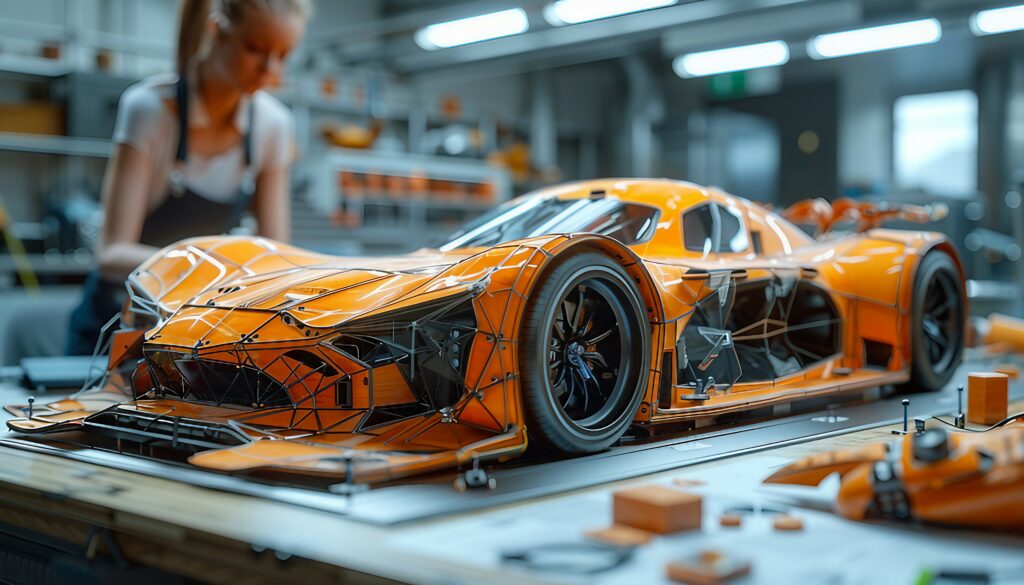
In the fast-paced world of product development, speed and efficiency are crucial. Prototyping plays a pivotal role in accelerating the journey from concept to market-ready product. When you allow creators to design, test, and refine ideas quickly, prototyping significantly shortens development cycles and enhances the overall quality of the final product.
Early Detection of Design Flaws
One of the primary benefits of prototyping is the early identification of design flaws. By creating a physical or digital model of the product, developers can test its functionality and usability in real-world scenarios. This early feedback loop helps in identifying and addressing issues before they become costly problems in later stages.
Enhancing Communication and Collaboration
Prototyping facilitates better communication and collaboration among team members and stakeholders. A tangible prototype makes it easier to convey design concepts and functionalities, ensuring everyone is on the same page. This clarity helps in making informed decisions and aligning the development process with the project’s goals.
Iterative Testing and Refinement
The iterative nature of prototyping allows for continuous testing and refinement. Developers can create multiple versions of a prototype, each incorporating feedback and improvements from the previous iteration. This process ensures that the final product is well-optimized, functional, and meets user expectations.
Reducing Time to Market
By streamlining the testing and development phases, prototyping reduces the overall time to market. Quick iterations and immediate feedback help in resolving issues faster, allowing the product to move through development stages more swiftly. This agility is crucial in competitive markets where being first can make a significant difference.
Cost Efficiency
Prototyping can also be cost-effective in the long run. Identifying and fixing issues early in the development process saves money that would otherwise be spent on extensive redesigns and modifications. Additionally, the ability to test different materials and manufacturing processes through prototypes can lead to more economical production methods.
Improving Product Quality
A well-executed prototyping process ensures that the final product is of high quality. Continuous testing and refinement help in perfecting the design, functionality, and user experience. This focus on quality not only meets but often exceeds customer expectations, leading to higher satisfaction and loyalty.
Supporting Innovation
Prototyping encourages experimentation and innovation. Developers can explore new ideas and concepts without the fear of costly failures. This freedom to innovate leads to the creation of unique and advanced products that can set a company apart from its competitors.
Get A Prototype Development Started Today
Prototyping plays a key role in today’s product development, offering several benefits that speed up the entire process. It allows for early testing and validation of ideas, identifies potential issues before full-scale production, and facilitates iterative improvements, ensuring a more efficient development cycle. From early detection of design flaws to reducing time to market and improving product quality, prototyping ensures that products are developed efficiently and effectively. Embracing prototyping as a core strategy can significantly enhance a company’s ability to innovate and succeed in today’s competitive market.